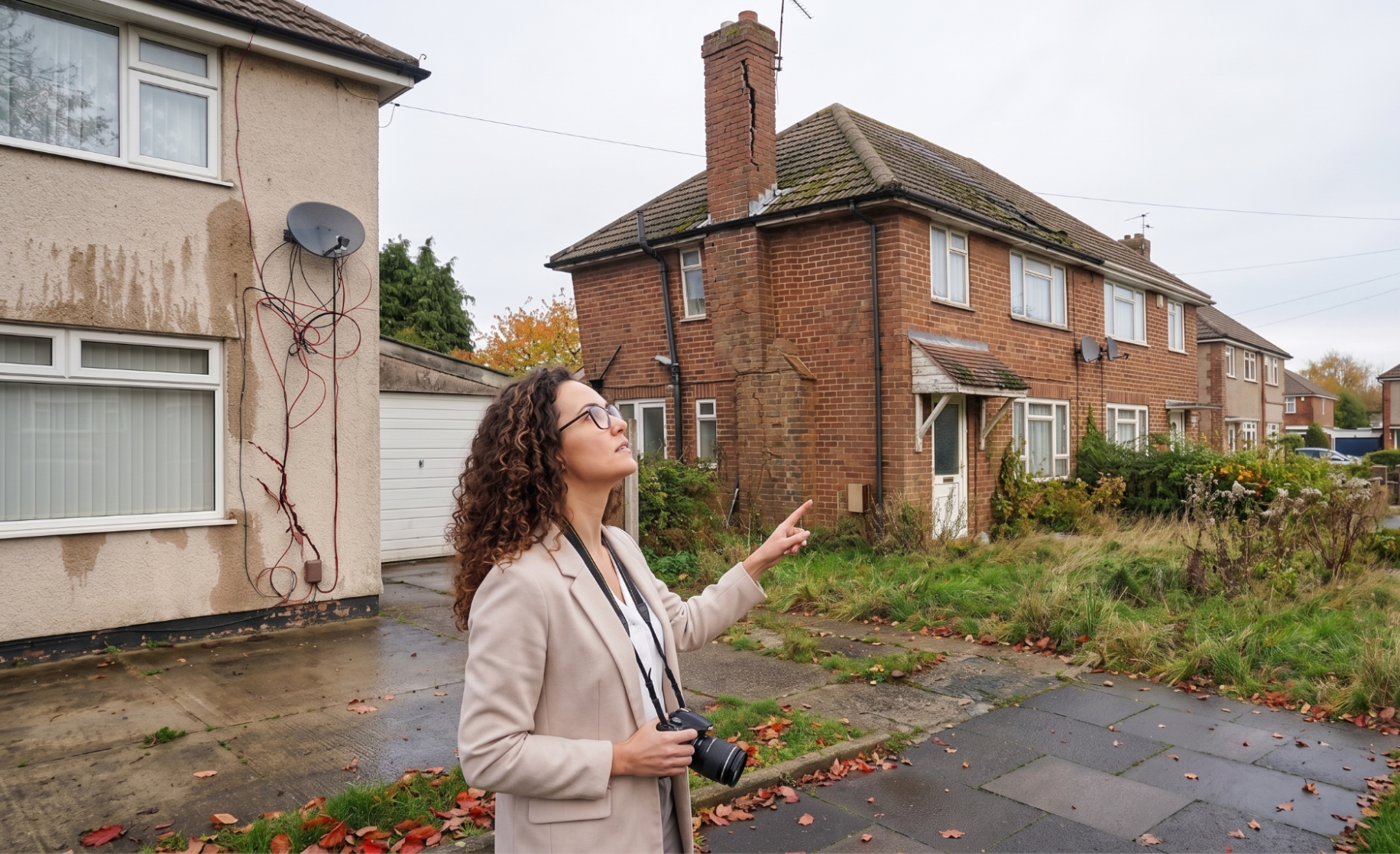

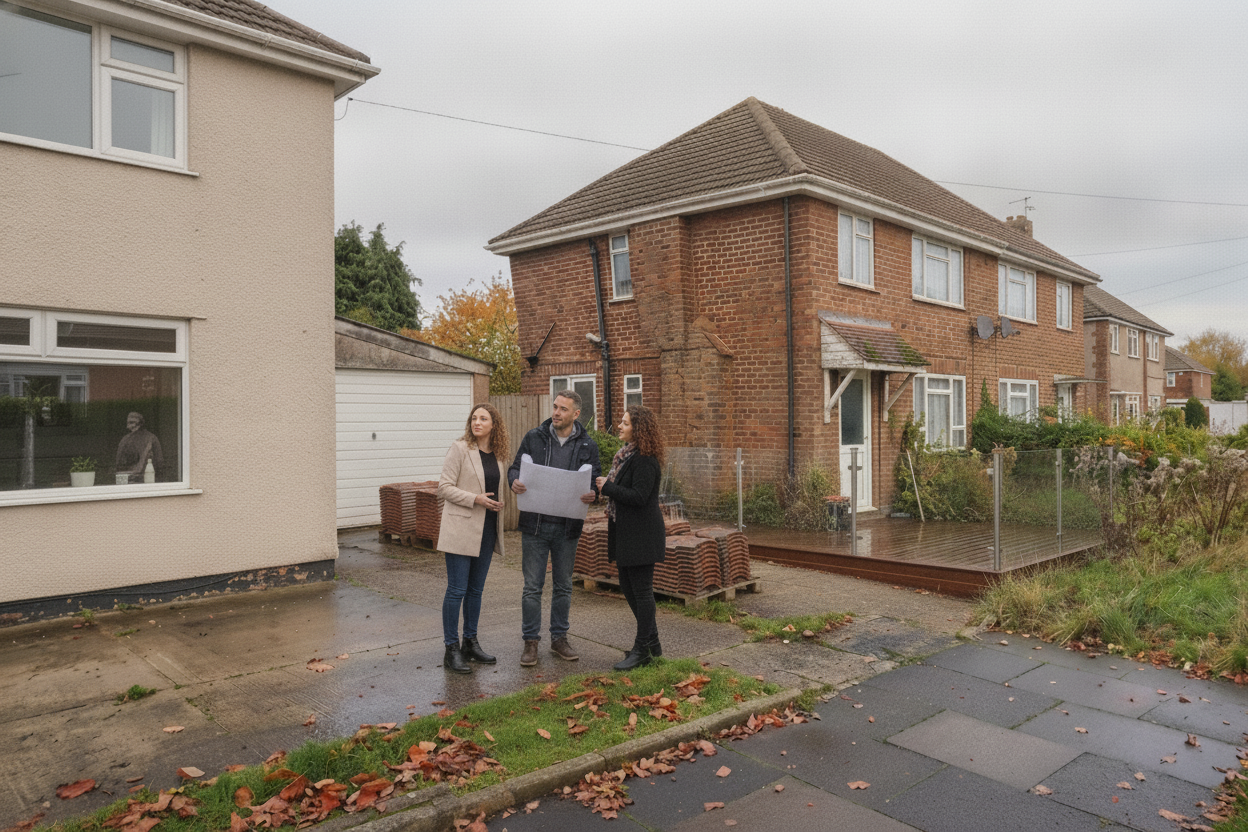
Most homeowners plan an improvement around three things: cost, looks and whether it will make daily life easier. The insurance policy rarely gets a mention. Plenty of cosmetic work genuinely does not need one, but the six types below are worth a conversation first.
Key Takeaways
- Cosmetic work rarely needs declaring; structural or high-value improvements usually do.
- Extensions, loft conversions and wall removals change your rebuild cost.
- Call your insurer before the build starts, not after.
- Escape of water is one of the UK’s costliest domestic claim types.
- Non-standard materials like lime plaster or thatch must be declared.
- Keep invoices, photographs and certificates for every major job.
The good news is that most decorating does not matter. Painting a bedroom, laying new flooring or putting up shelves is not something any insurer expects a phone call about. The six types of work below are different, and each one is worth a conversation before the first skip arrives on the drive.
Extensions and Conservatories
An extension changes the footprint of the building, and with it the cost of rebuilding from scratch. If your sum insured still reflects the pre-extension size, you could be underinsured without realising it. The ABI’s rebuild cost calculator can help you check.
The build period matters too. Scaffolding, open walls and trades coming and going raise the risk of theft, water damage and fire, and most policies either restrict cover during major works or ask for them to be declared in advance. Which? has guidance on declaring structural work to your insurer.
Loft and Garage Conversions
Converting a loft or garage usually adds a room, and the number of bedrooms is one of the details your original quote was priced on, so a small-sounding change can quietly make your policy details inaccurate.
Loft work also means altering the roof structure, which is exactly the sort of thing underwriters pay attention to. Builders normally carry their own cover, but that protects their work, not necessarily your existing building and contents, so ask who is covering what while the roof is open.
Kitchen and Bathroom Renovations
A straight like-for-like kitchen or bathroom swap is usually low risk. The picture changes once you are moving pipework, rerouting drainage or installing a wet room on an upper floor.
Escape of water has been highlighted by the ABI as one of the most costly claim types for UK insurers, and it also ranks among the most common home insurance claims, according to Which?. A high-spec kitchen can also push your contents value well past the standard limits.
Structural Alterations
Taking out a wall, inserting a steel beam, underpinning or altering foundations is the category insurers care about most, because these jobs change how the building holds itself up. The Financial Ombudsman has published insight on underinsurance and non-disclosure that is worth reading if you are unsure how undeclared changes can affect a claim.
Keep your building regulations completion certificate and structural engineer’s calculations safe. If you ever need to claim, or come to sell, those documents prove the work was signed off rather than improvised.
High-Value Upgrades
Not every insurance-relevant improvement involves a builder. A home cinema, a solar array with battery storage, a home office with professional equipment, a hot tub or a garden room can all take you past the single-item limit or the overall sums insured on your policy.
Security upgrades can work in your favour. Approved locks, a monitored alarm or an updated consumer unit may reduce your premium, but insurers rarely apply those discounts unless you ask. Before significant changes, it is worth taking time to check your cover before major changes to understand how smart security devices, solar installations and garden rooms may affect your policy.
Specialist Materials and Finishes
Reclaimed brick, natural stone, lime plaster or thatch are all expensive and slow to replace, and a standard rebuild calculation assumes standard materials. Decorative finishes count too: natural clay plaster, applied by specialists such as Evoke Polished Plastering, is harder to source and slower to apply than synthetic alternatives, and that craftsmanship rarely shows up in a standard estimate.
Keep records of the materials and trades involved, then ask whether your sum insured needs updating. Non-standard construction is not a problem in itself, but an undeclared one can be, and understanding what insurers look for helps you judge what is worth declaring.
Record-Keeping
Claims are settled on evidence. Photographs before, during and after, invoices, guarantees, certificates for electrical and gas work, and planning or building control paperwork all make a claim faster and a dispute far less likely.
A simple folder, digital or paper, covering every significant job on the property is one of the cheapest forms of protection you will ever arrange. This matters because claims linked to poor upkeep can be declined if an insurer finds that maintenance records are absent or that a problem was left unaddressed. For landlords, it doubles as compliance evidence, which saves a scramble later.
Final Thoughts
The thread running through all six types of work is a simple one: if a project changes the size, structure, value or risk of your home, your insurer should hear about it. Answers will differ from one policy and property to the next, so for large, unusual or long-empty projects it is worth asking a broker or underwriting team about your own circumstances. A ten-minute call before the work begins costs nothing, and it is far cheaper than finding out later that the policy no longer matched the house.
Frequently Asked Questions
Do I need to tell my insurer about improvements after the work is done, or only before?
You should notify your insurer both before major work starts and again once it is finished, particularly if the rebuild cost or contents value has changed. Telling them only at renewal risks a gap in cover in the meantime.
Can home improvements affect my ability to make a claim on an existing policy?
Yes. If you carry out undeclared structural or high-value work and something goes wrong, your insurer may reduce a payout or decline the claim on the grounds of non-disclosure, even if the improvement itself was not the cause.
Do I need planning permission for a home improvement to be covered by insurance?
Insurers do not require planning permission as a condition of cover, but unpermitted work can complicate a claim and cause problems when you come to sell. Keeping your building regulations certificate is good practice regardless.