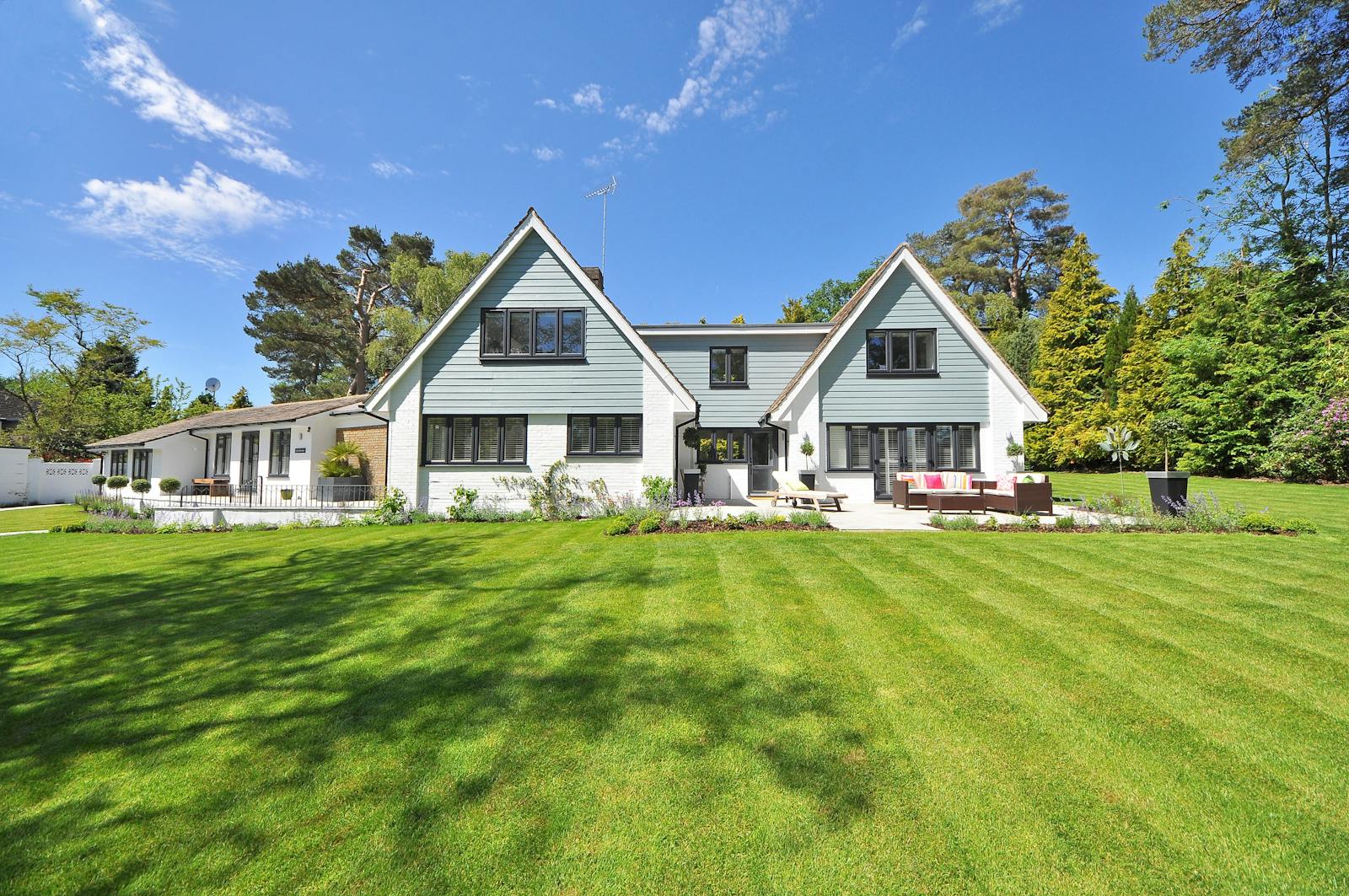


The housing market feels calmer going into 2026. After a run of sharp price rises, rate shocks, and startling headlines the market forecasts now point towards a calmer year, with national house prices predicted to grow at roughly 2.8% and conditions described as stable rather than frantic.
Fewer frantic bidding wars means more focus on homes that feel comfortable, efficient, and protected over time. Owners and landlords must now pay closer attention to three things: smart technology, sustainable design, and strong protection against storms, leaks, and other shocks.
Energy costs, climate risk, and fast-growing smart tech adoption all put pressure on homes to work harder. Here are 3 property trends for homeowners that will prepare a home for the ever-changing market demands of 2026.
Trend 1: Smart Living Becomes Everyday Living
Smart home technology now feels normal for many households. Research shows around 80% of consumers own at least one smart home product, and almost 40% own more than three. Smart features no longer feel like toys; they sit at the core of how many households manage comfort and security.
Most systems fall into two useful groups: energy control and security.
The energy use in homes accounts for about 14% of total UK emissions and with smart energy systems homeowners can reduce their carbon footprint. Smart thermostats, radiator controls, and linked apps show real-time energy use across rooms. Owners can see when heating runs, which spaces waste energy, and where small adjustments can reduce bills.
Security-focused devices such as video doorbells, connected alarms, leak sensors, and smart locks help prevent or limit damage. Early alerts from sensors and cameras reduce the chance of unseen leaks, serious break-ins, or late responses to smoke. When owners combine these tools with tailored home insurance from providers such as Cadis Homes, technology and cover work together rather than in isolation.
Trend 2: Sustainable Design and Outdoor Living
Sustainability has become a central theme in the housing market. Older properties often leak heat through roofs, walls, and windows making sustainable upgrades a must in the UK. Strong insulation, airtightness, quality glazing, and good ventilation sit at the core of many new build and refurbishment schemes. Low-carbon systems such as heat pumps, solar panels with battery storage, and EV charging points now appear more often in 2026-ready homes. These upgrades help reduce bills, provide better comfort, and set future property standards.
Sustainability also covers health and wellbeing. Many homeowners favour natural finishes, low-VOC paints, good daylight, and sound control. Hard-wearing, repairable materials reduce maintenance in the long run and help limit common problems such as damp or surface damage that often lead to insurance claims.
Purpose-built garden spaces have become an integral part of modern home life, offering comfort, creativity, and separation from the main household. Thoughtfully designed outdoor rooms like home offices and combination rooms to gyms, workshops, and leisure spaces create opportunities to work, unwind, or pursue hobbies in a calm and comfortable setting.
Surrey Hills Garden Buildings design and construct bespoke garden offices, therapy rooms, workshops, greenhouses, and summer houses that reflect each homeowner’s lifestyle and needs. Their craftsmanship and attention to detail help transform underused garden areas into versatile extensions of everyday living, adding lasting comfort and appeal to the home. For more ideas check out: surreyhillsgardenbuildings.co.uk
Trend 3: Security, Resilience, and Insurance Take Centre Stage
Climate risk no longer feels theoretical. The Association of British Insurers reports a record £585 million paid out for weather-related damage. Flood risk also keeps rising. Government estimates suggest one in four properties could sit in flood risk areas by the middle of the century.
How Homeowners Should Respond in 2026
Homeowners should respond to these with resilient design choices. Strong roofs and fixtures, sensible drainage, raised power points in risk areas, and water-resistant finishes on ground floors help limit damage during storms or floods. For new build projects, structural warranties and latent defect policies underwritten by specialists provide long-term protection for buyers and lenders.
A second way homeowners can manage risks is through insurance cover that reflects real risk. Standard buildings policies give a base layer, but many homes need more tailored protection. Location, construction type, smart systems, garden buildings, and any property changes are potential risks that need to be covered. Cadis Homes offers private and rental home insurance with bespoke policies and an emphasis on service, so cover reflects the way each property works in practice.
The third way to safeguard is better records. Photos before and after upgrades, receipts for major works and smart devices, and simple contents lists support smoother claims.
Practical Steps for 2026
A few focused actions bring these trends together.
- Run a home review. Note smart systems, insulation levels, EPC rating, roof condition, and any known flood or storm exposure, using public flood maps and local authority data as a guide.
- Prioritise “low-regret” upgrades. Loft insulation, draught-proofing, smart thermostats, leak sensors, strong locks, and routine roof checks offer strong value for most homes.
- Use outdoor space well. A garden room from a specialist such as Surrey Hills Garden Buildings supports hybrid working, hobbies, or therapy in a quiet setting.
- Speak to Cadis Homes before major changes. The Cadis Homes protection page offers an easy route to review cover for new rooms, new systems, or new uses such as lodgers or home businesses.
Conclusion
Smart technology, sustainable design, and strong insurance are now equally important. Together they support homes that cost less to run, feel more comfortable, and stand up better to storms and other shocks.
No household needs a full transformation in one year. Small, steady upgrades and regular policy checks still move a home toward the future-ready profile buyers, lenders, and insurers respect.